Winter in Bangladesh may not bring snow-covered streets or freezing temperatures, but the colder months still change the way we live.
We take warmer showers. We heat more water. Some households use electric heaters or additional electrical appliances. In colder parts of the country, people may use open fires for warmth. Families also prepare more hot drinks, soups and warm food.
These are normal parts of life during winter. But they also introduce risks that are easy to overlook.
Research from Bangladesh has repeatedly found that burns, scalds, and electrical injuries are important household safety concerns, with several studies showing a noticeable increase in burn incidents during winter. [1–5]
That doesn’t mean winter should make us afraid to use hot water or electrical appliances.
It means winter is a good time to become a little more safety-conscious because a warm and comfortable home should also be a safe one.
One of the clearest messages from Bangladeshi burn research and a national study examining burn mortality in Bangladesh found that around 90% of burn incidents occurred at home, with the kitchen being the most frequent location. Cooking fires, heating fires and kerosene lamps were among the major sources of flame-related burns.[1]
A study at Dhaka Shishu Hospital reviewed 91 pediatric burn admissions and found that 47.25% occurred during winter, with December recording the highest number of admissions.[2]
In Northern Bangladesh, a 2024 study of 477 hospitalized burn cases also reported a strong January peak. In that particular hospital series, 191 cases, 40% of the year’s recorded cases, occurred in January, with campfire exposure contributing substantially.[3]
They highlight an important point:
Winter changes household behaviour, and some of those changes can increase exposure to hot water, fire and electricity.
A warm shower on a cold morning can feel wonderful. But there is a major difference between comfortably warm water and water hot enough to injure skin.
In research examining thermostatic mixing valves, investigators noted that water around 60°C can produce serious burns within only a few seconds of exposure.[6]
That matters especially for young children, elderly family members, people with reduced mobility, and anyone who may not react quickly enough when water suddenly becomes too hot.
Before stepping under a shower or putting a child into bath water, always check the temperature. Avoid turning the heater or mixer to an unnecessarily high temperature just because the weather feels colder.
And remember: hotter does not automatically mean better.
The Dhaka Shishu Hospital study found that 83 of 91 hospitalized pediatric burn cases—91.2%—were scald burns.[2]
Among 437 non-fatal childhood burn cases, hot liquids were the leading cause, accounting for 44.7% of burns. Children aged 1–4 years had the highest incidence rate in the study.[4]
The reason is easy to understand. Young children are curious. They pull objects. They reach for taps. They may not understand that water or a container is dangerously hot. And their skin can be more vulnerable to serious thermal injury.
Keep kettles, hot-water containers and hot food away from table edges. Never leave a small child alone around a bathtub or running shower.
Do not place buckets of very hot bathing water where children can reach them. And if your bathroom uses a hot-water system, make temperature control part of the routine rather than relying on guesswork.
Water heaters become particularly useful during winter. Being able to see and control temperature can make hot-water use more deliberate.
But the appliance itself is only one part of the safety equation. A water heater combines two things that always deserve respect: electricity and water. That is why installation matters.
The appliance should be installed by a competent technician, correctly earthed, connected to an appropriate electrical circuit, and used according to the manufacturer’s instructions.
Loose wiring, damaged cables, poorly installed switches, or unsuitable electrical connections should never be ignored.
A population-based Bangladeshi study covering more than 819,000 people found that approximately 31% of the recorded burn injuries in its dataset were electrical injuries.[5]
International low-voltage electrical standards commonly use residual-current protection as an additional safety measure in wet environments such as bathrooms. A review of IEC/HD 60364 requirements noted the importance of residual-current devices, commonly around 30 mA, for additional protection in locations with increased risk, including bathrooms.[7]
No heater, shower mixer or bathroom fitting can replace sensible behaviour. But thoughtful product choices can support safer daily routines.
And good-quality bathroom equipment can be combined with the one thing technology can never replace: awareness.
Winter bathroom comfort is not only about getting hot water; it is about creating a complete experience built around warmth, control, visibility, and ease of use.
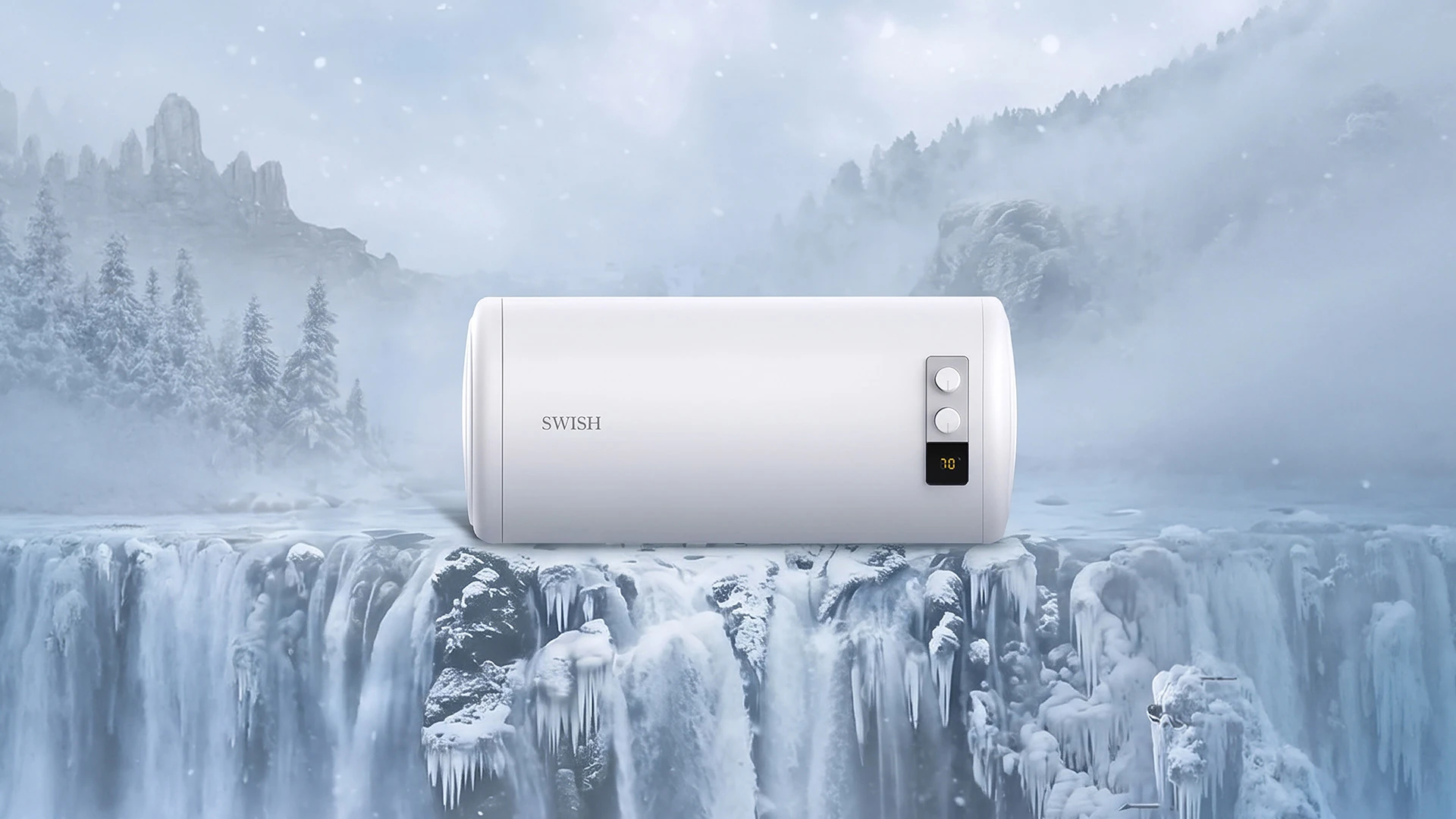
For households that want to avoid uncomfortable cold-water showers during winter, SWISH Water Heaters can provide access to controlled hot water and help make everyday bathing more comfortable.
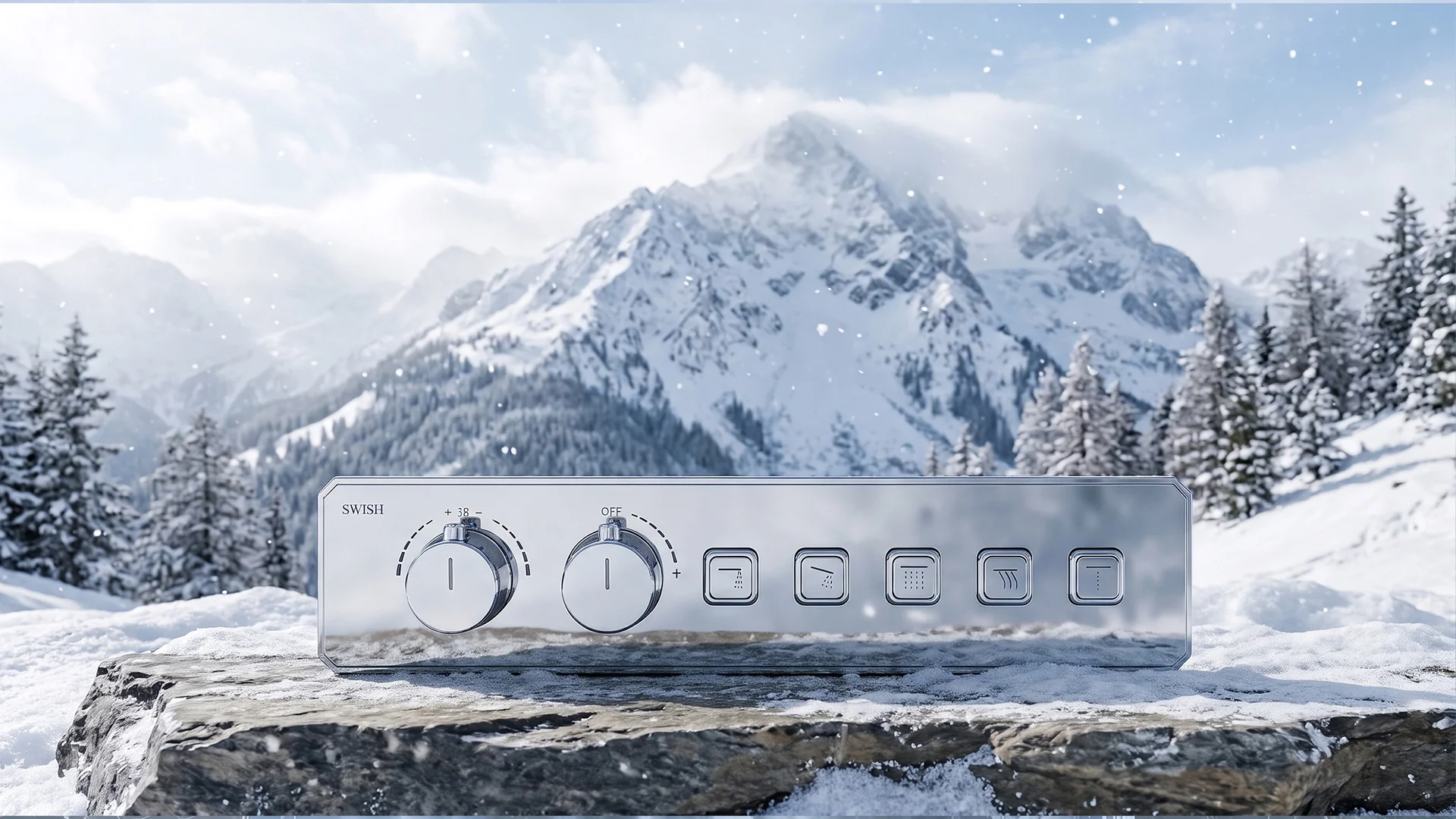
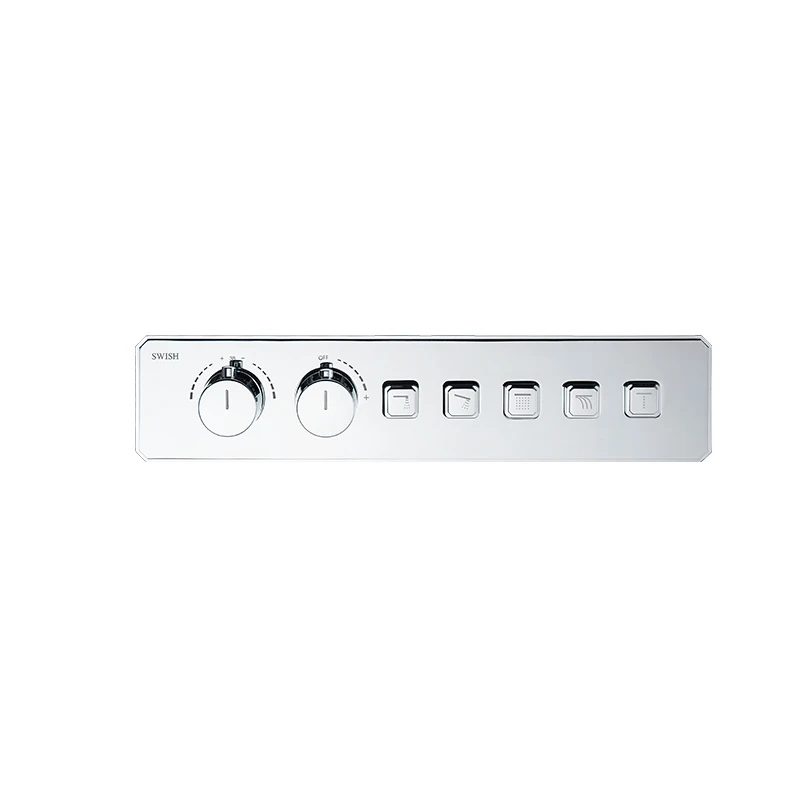
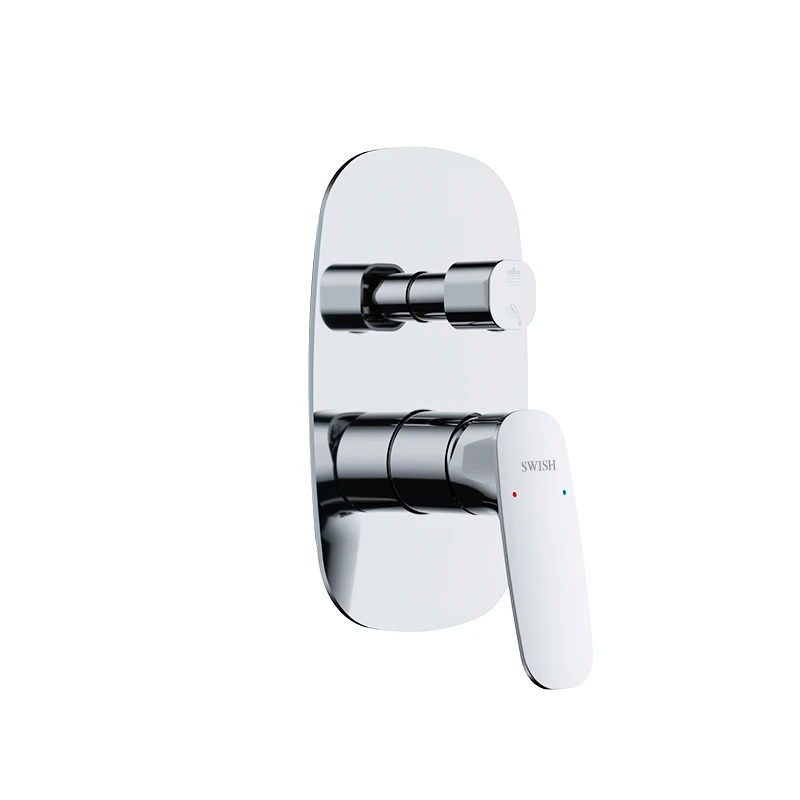
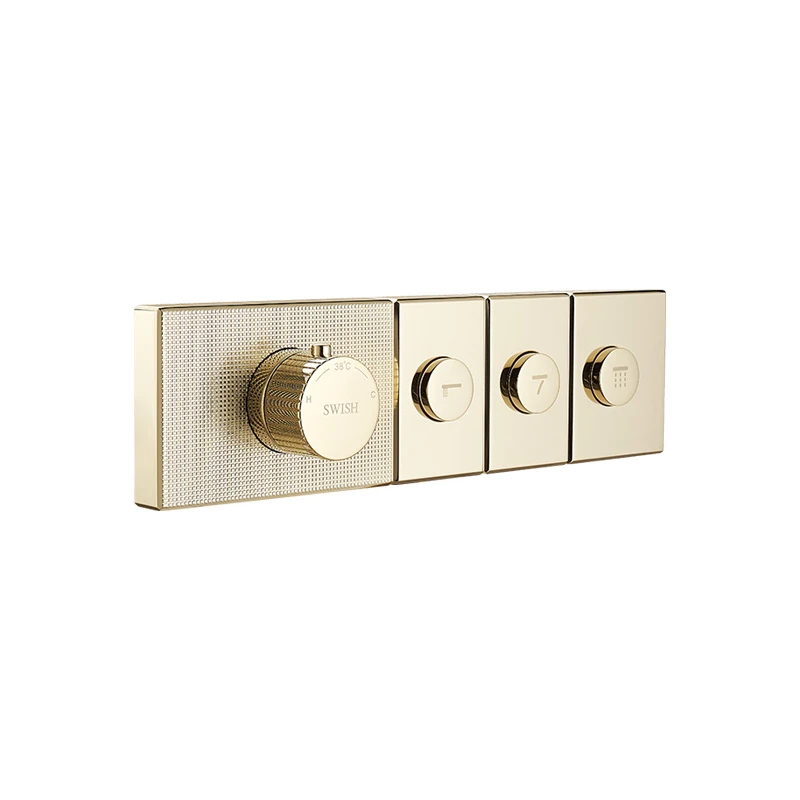
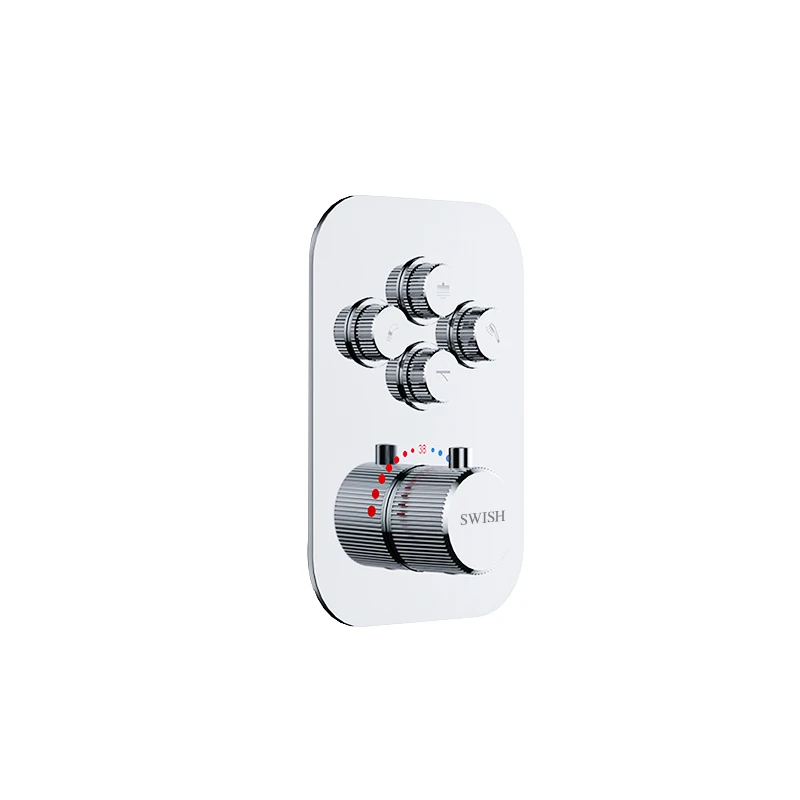
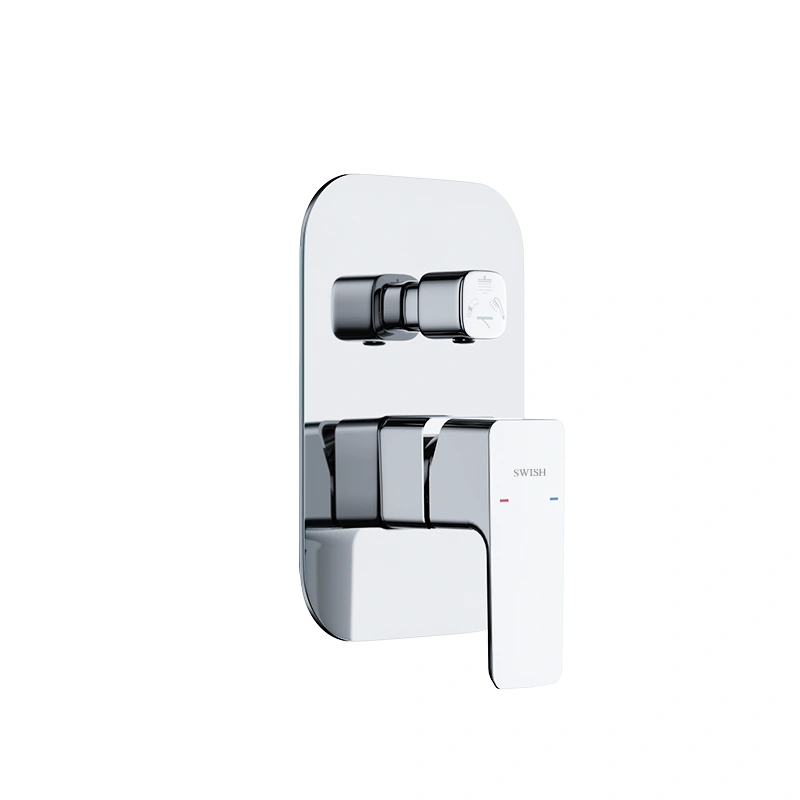
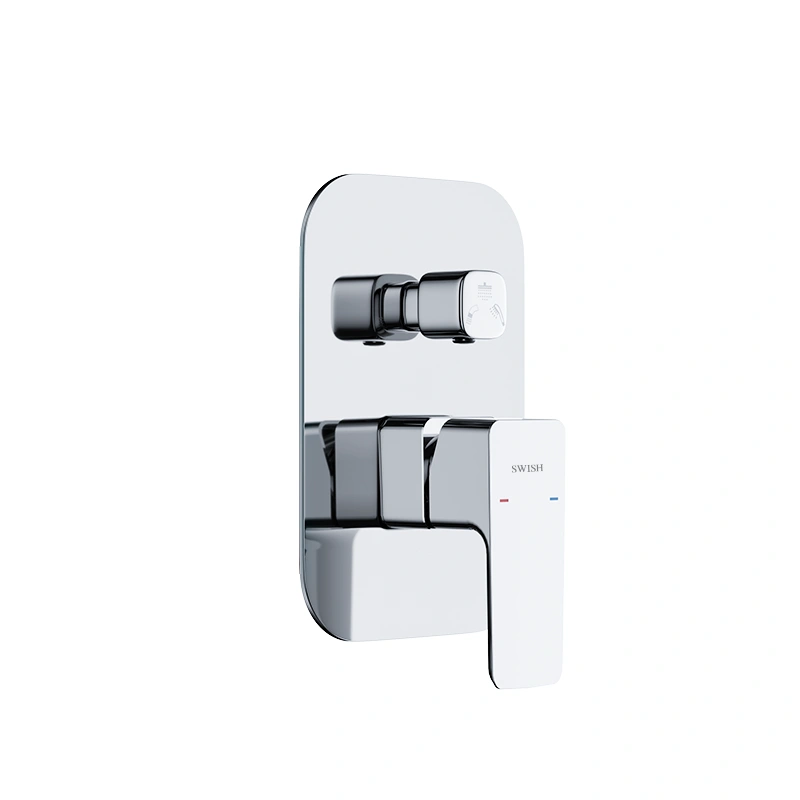
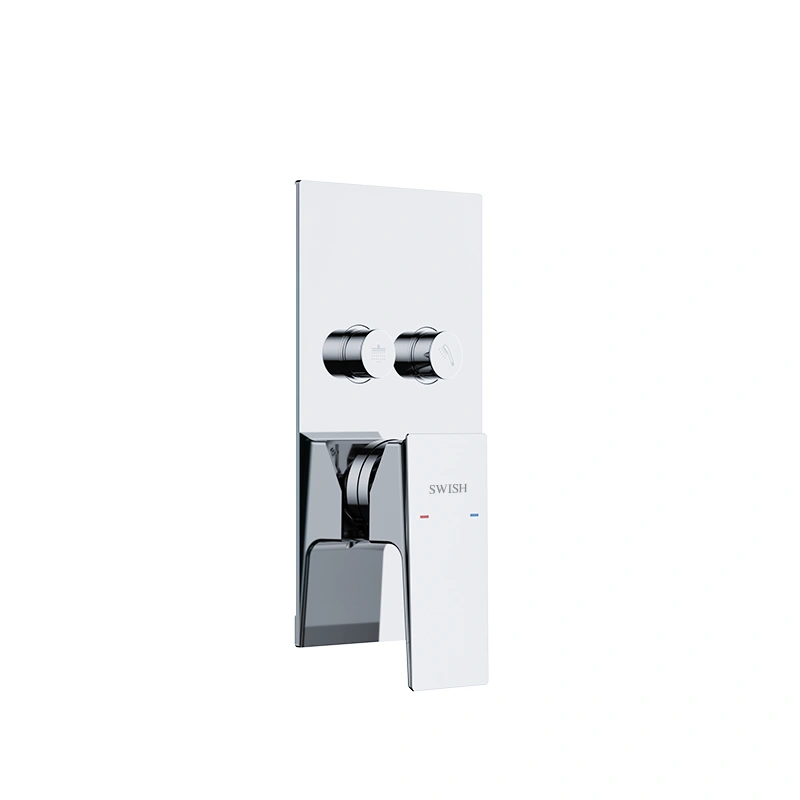
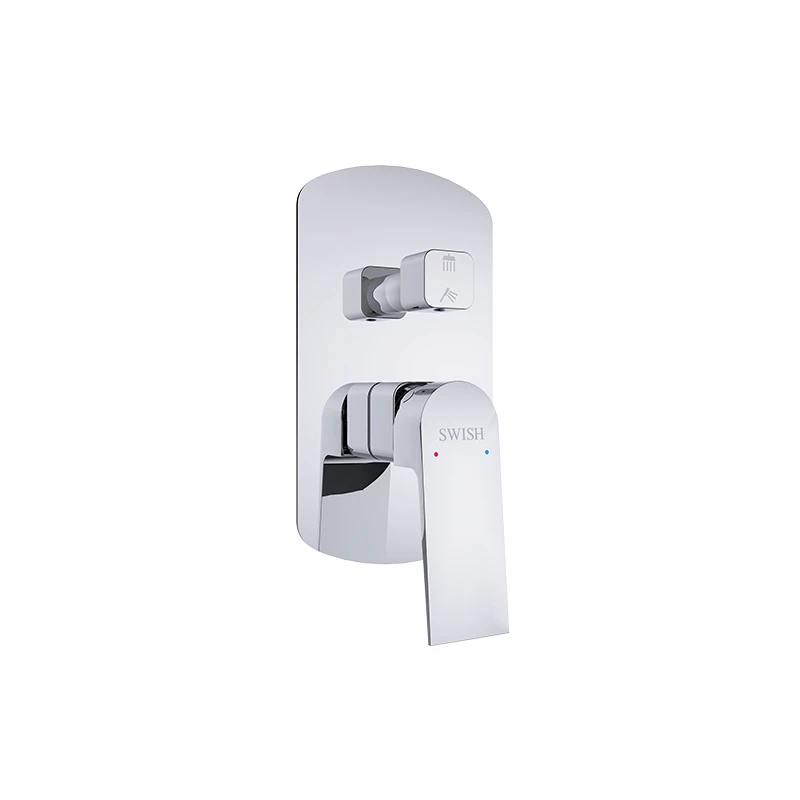
To complement that, SWISH Shower Mixers can help create a more controlled shower experience by making it easier to manage how hot and cold water are combined and delivered.
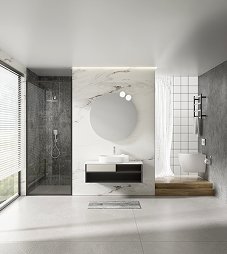
The experience can then be completed with SWISH Mirrors, which add visibility, grooming convenience, and a more refined look to the bathroom, especially during darker and steamier winter mornings.
[1] Mashreky SR, Rahman A, Svanström L, Khan TF, Rahman F. (2011). Burn mortality in Bangladesh: findings of national health and injury survey. Injury. DOI: 10.1016/J.INJURY.2009.11.020.
[2] Alam MR, Ullah S, Biswas PK. (2021). Pattern of Burn Injury in Children Presented to Dhaka Shishu (Children) Hospital. DOI: 10.3329/DSHJ.V36I2.54392.
[3] Hamid MA, Sen SL, Moniruzzaman S, et al. (2024). An Analysis of Hospitalized Burn Injuries in a Burn Care Unit of Northern Bangladesh. Saudi Journal of Medical and Pharmaceutical Sciences. DOI: 10.36348/sjmps.2024.v10i05.002.
[4] Abedin M, Rahman F, Rakhshanda S, Mashreky SR, Rahman A, Hossain A. (2022). Epidemiology of non-fatal burn injuries in children: evidence from Bangladesh Health and Injury Survey 2016. BMJ Paediatrics Open. DOI: 10.1136/bmjpo-2022-001412.
[5] Mashreky SR, Rahman F, Rahman A, Baset KU, Biswas A, Hossain J. (2011). Burn injury in Bangladesh: electrical injury a major contributor.
[6] Kendrick D, Stewart J, Smith S, et al. (2011). Randomised controlled trial of thermostatic mixer valves in reducing bath hot tap water temperature in families with young children in social housing. Archives of Disease in Childhood. DOI: 10.1136/ADC.2009.175059.
[7] Czapp S. (2022). Requirements of standards with reference to application of residual current devices. DOI: 10.1016/B978-0-323-89783-9.00012-6.
[8] Chuang SS, Yang JY, Tsai FC. (2003). Electric water heaters: a new hazard for pediatric burns. Burns. DOI: 10.1016/S0305-4179(03)00151-7.
Not necessarily. Keeping a water heater running continuously may be convenient, but the better habit is to use it according to the manufacturer’s recommended operating method and your household’s actual needs.
During colder weather, the difference between your body temperature, room temperature and shower water becomes more noticeable. This can make the same water setting feel very different from one season to another. Instead of adjusting the temperature aggressively, make smaller changes and give the water a few moments to stabilize.
Because winter often means heavier use of water heaters, shower systems and bathroom fittings. A pre-winter bathroom check can include water flow, fittings, switches, visible leaks, unusual sounds, and any signs that professional servicing may be needed.
You can, but thinking of them as part of one water-comfort system often makes more sense. The heater determines how hot water is produced, while the shower mixer affects how hot and cold water are combined and delivered to the user.
If the heater has been used less frequently during warmer months, a pre-winter inspection can be a smart idea. Checking visible connections, water flow, unusual noises, leaks, and the condition of the electrical setup can help identify issues before winter use increases.

Your home cannot be complete without a functional, well-structured, and aesthetic wash basin. If you

Taking a refreshing bath plays a key role in making your day exciting and beautiful.

When you choose to buy a luxury bathroom faucet, there are a lot of things

“A smart bathroom incorporates the latest and greatest in technology to increase its usability,” says

A smart kitchen is designed to increase cooking efficiency and decrease the amount of time

Luxury kitchens are becoming increasingly popular as homeowners strive to create a comfortable and stylish